
Smile Makeover Options Brooklyn NY: Your Guide to a Confident, Healthy Smile
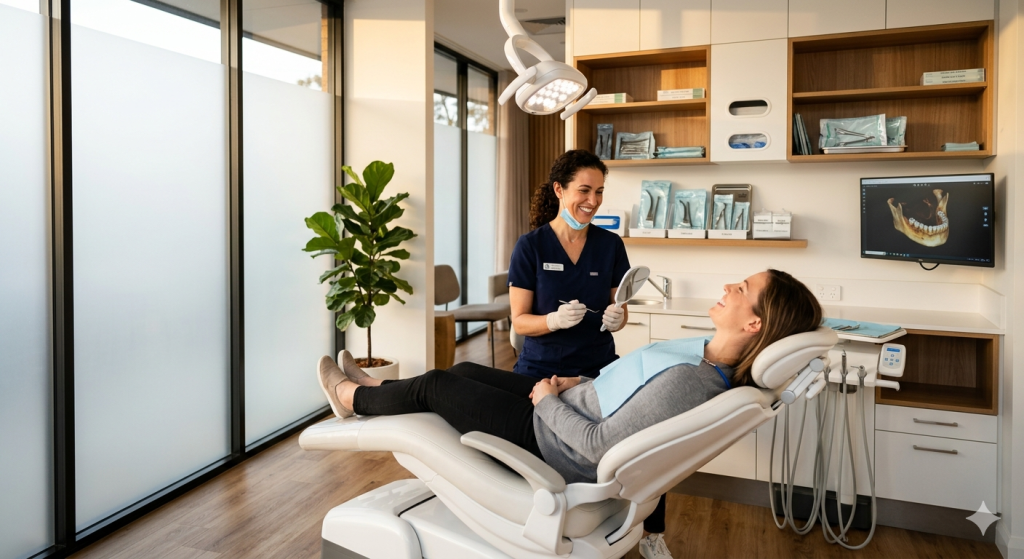
If someone in Brooklyn is looking to improve their smile, there are several effective smile makeover options available that combine both cosmetic and restorative treatments. These options include teeth whitening, veneers, bonding, crowns, and Invisalign, all tailored to enhance the look and health of each individual’s teeth.
Dentists in Brooklyn focus on patient comfort during these procedures, using the latest technology to ensure natural-looking results without unnecessary discomfort. Whether someone has stained, chipped, misaligned, or missing teeth, there are modern solutions that suit different needs and lifestyles.
Choosing the right treatment depends on the person’s goals and dental health, so consulting with a local dental expert can provide a personalized plan. This approach helps patients feel confident and informed about which options are best for their smile transformation.
Understanding Smile Makeovers
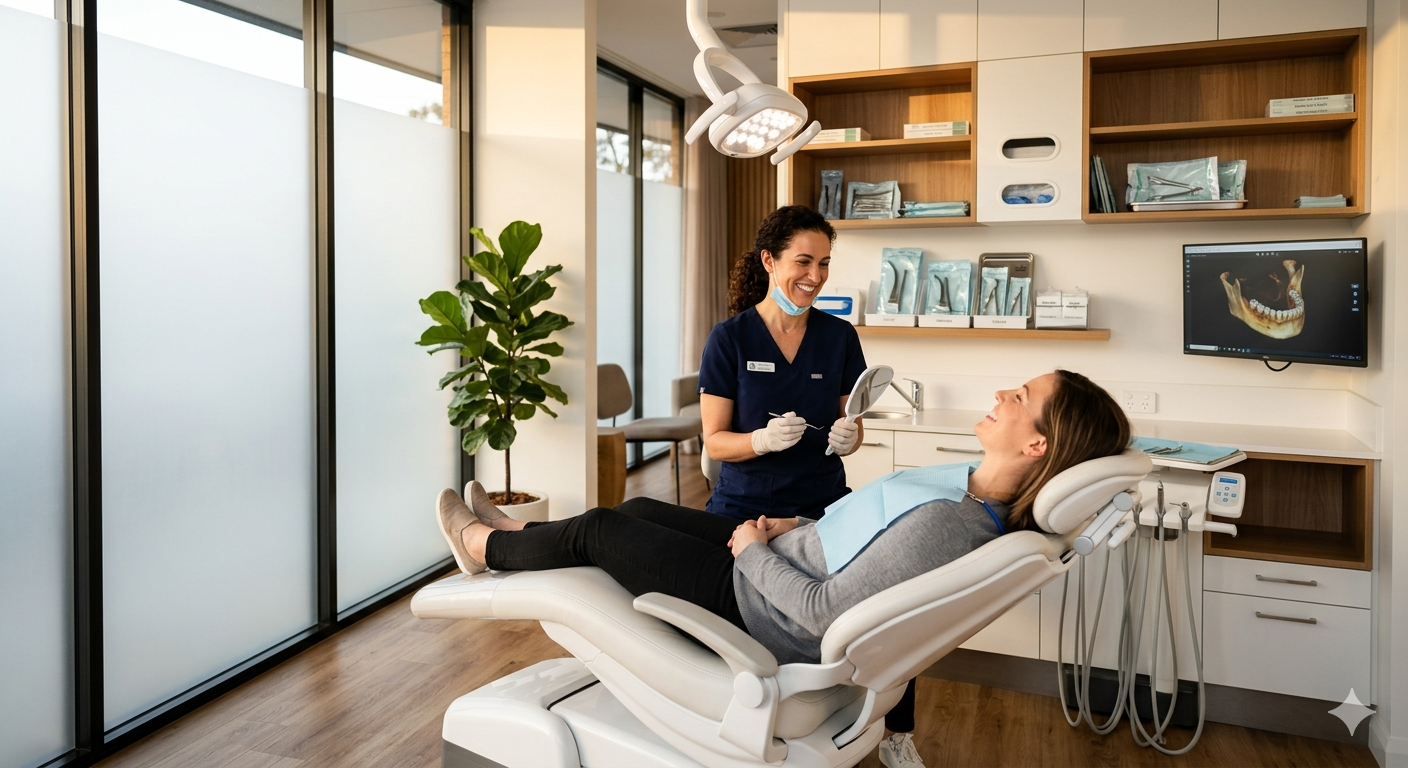
A smile makeover combines different dental treatments tailored to improve the appearance and function of a person’s smile. It focuses on enhancing teeth alignment, color, shape, and overall oral health with personalized options.
What a Smile Makeover Entails
A smile makeover can include procedures like teeth whitening, veneers, crowns, orthodontics, and dental implants. Each treatment targets a specific concern such as discoloration, chipped teeth, gaps, or misalignment.
The process starts with a thorough dental exam and consultation. The dentist evaluates aesthetics and oral health, then recommends a treatment plan combining multiple procedures for the best results. These treatments are often done over weeks to months, depending on the complexity.
Benefits for Brooklyn Residents
For people in Brooklyn, smile makeovers offer both cosmetic and functional improvements. Many find that improving their smile boosts confidence at work and in social settings.
Because Brooklyn is a busy urban area, treatments are designed to suit active lifestyles, with options for speedy procedures and minimal downtime. Advanced local dental offices use the latest technology to provide comfortable experiences and durable outcomes. Residents can enjoy natural-looking results that maintain long-term oral health.
Who Is a Candidate?
Candidates for smile makeovers include anyone with concerns about the appearance or performance of their teeth. This can range from mild discoloration to more extensive damage or misalignment.
Good candidates should have healthy gums and treat any active dental issues first. Age is not usually a major factor, but patients must be committed to oral hygiene and follow-up care. A consultation is essential to determine the best approach based on individual needs and goals.
Cosmetic Dentistry Solutions
Many effective approaches can improve your smile’s appearance, addressing issues like discoloration, chips, and uneven spacing. These treatments offer options ranging from quick fixes to more permanent enhancements, tailored to your unique needs.
Dental Veneers Explained
Dental veneers are thin shells made from porcelain or composite resin that cover the front of teeth. They are custom-made to match the size, shape, and color of your natural teeth, improving imperfections such as cracks, gaps, or severe discoloration.
The process typically involves removing a small layer of enamel to ensure a proper fit. Veneers are durable and stain-resistant, often lasting 10 to 15 years with good care. They require minimal maintenance beyond regular brushing and flossing.
Veneers are especially popular for patients looking for a dramatic change in their smile, offering a natural look without extensive dental work.
Teeth Whitening Treatments
Teeth whitening is a non-invasive option to brighten stained or dull teeth. It usually involves professional-grade bleaching agents applied either in-office or through take-home trays provided by the dentist.
In-office treatments provide quicker, more noticeable results in about an hour, while take-home kits deliver gradual whitening over several days or weeks. Both methods use peroxide-based gels that safely break down stains on the enamel surface.
Whitening can address common causes like coffee, tea, tobacco stains, and aging. Results vary depending on the original tooth color and lifestyle habits, but touch-ups can help maintain brightness over time.
Bonding for Minor Imperfections
Dental bonding uses tooth-colored resin applied directly to teeth to repair chips, cracks, or minor gaps. The material is shaped and hardened with a special light, usually in a single visit.
This option is cost-effective and less invasive than veneers or crowns. It’s ideal for small cosmetic fixes and can often be completed without anesthesia.
Bonding blends naturally with your teeth but may stain over time and typically lasts 3 to 10 years. It’s a great choice when quick improvement is desired without significant alteration to existing tooth structure.
Restorative Options for a Confident Smile
Restoring a smile involves addressing damage, decay, or missing teeth with durable, natural-looking solutions. These treatments help improve function and appearance, supporting everyday comfort and confidence.
Custom Dental Crowns
Custom dental crowns cover damaged or weakened teeth to restore their shape, strength, and function. Made from durable materials like porcelain or ceramic, these crowns blend seamlessly with natural teeth.
Your dentist will take precise impressions to create a crown that fits perfectly. The process usually requires two visits: one to prepare the tooth and take impressions, and another to place the finished crown. Crowns protect fragile teeth from further damage while improving chewing and speech.
Crowns also address discoloration or misshapen teeth, making them a versatile option. Patients often find the treatment comfortable and appreciate the natural look that crowns provide, especially when color-matched carefully.
Bridges for Missing Teeth
Dental bridges replace one or more missing teeth by anchoring an artificial tooth to adjacent natural teeth or implants. This helps restore chewing ability and prevents neighboring teeth from shifting out of place.
Traditional bridges involve placing crowns on the teeth beside the gap, connected by a false tooth in between. This design offers stability and a natural appearance. Bridges can be made from porcelain fused to metal or all-ceramic materials to suit aesthetic needs.
The procedure typically requires two visits: one to prepare supporting teeth and take impressions, and the next to fit the bridge. Bridges improve bite alignment and help maintain the overall structure of the smile, which is critical for both function and confidence.
Orthodontics for Smile Enhancement
Orthodontic treatments play a key role in improving the alignment and overall appearance of your smile. Options vary in visibility, comfort, and treatment time, offering choices to suit different needs and lifestyles.
Clear Aligners Overview
Clear aligners are custom-made, removable trays designed to gradually shift teeth without the need for metal brackets or wires. They are nearly invisible, making them a popular choice for adults who want a discreet treatment option.
Patients appreciate that aligners can be taken out during meals and for cleaning, which helps maintain good oral hygiene. Treatment typically lasts 12 to 18 months but varies depending on the complexity of the case. Regular check-ins with the orthodontist ensure progress and fit are on track.
Traditional Braces Today
Modern braces are smaller and more comfortable than in the past, using metal or ceramic brackets bonded to teeth. They apply continuous pressure to guide teeth into proper alignment effectively and are suitable for complex cases.
Unlike clear aligners, braces are fixed in place and cannot be removed until treatment ends, usually lasting between 18 and 30 months. Many patients find that advancements in orthodontic technology reduce discomfort and visits for adjustments, making braces a dependable choice for comprehensive corrections.
Personalized Treatment Planning
A well-designed treatment plan begins with understanding each patient’s unique needs and goals. This approach ensures the smile makeover fits their lifestyle, facial features, and expectations. Modern technologies help visualize outcomes, making the entire process clearer and more comfortable.
Initial Consultation Process
During the initial consultation, the dentist gathers detailed information about the patient’s dental history, habits, and concerns. A thorough examination includes assessing tooth alignment, gum health, and bite function. Listening carefully to what the patient wants helps set realistic goals.
The dentist may take X-rays and photos to map out problem areas and possibilities. This step is crucial for identifying hidden issues like decay or jaw problems. Open communication is encouraged to address fears or questions, building trust and ensuring the patient feels in control.
Digital Smile Design Tools
Digital Smile Design (DSD) uses software to create a visual preview of the potential results before treatment begins. It combines photos, videos, and scans to simulate changes in tooth shape, size, and color. This helps patients see realistic outcomes and participate actively in planning.
DSD allows for precise adjustments in a virtual model, reducing surprises during the process. It also improves communication between the dental team and lab technicians, ensuring custom restorations fit perfectly. Many patients find this technology reassuring because it makes the transformation predictable and personalized.
Comfort and Care Throughout Your Journey
A smile makeover is about more than just the final look—it’s about feeling at ease every step of the way. From gentle procedures to advanced materials, patients in Brooklyn receive thoughtful care designed to minimize discomfort and support healing.
Comfort-Focused Dental Techniques
Dentists use methods that reduce anxiety and pain during treatments. Local anesthesia is carefully administered to numb the area, ensuring patients don’t feel sharp pain. For those with dental nerves, sedation options such as nitrous oxide or oral sedatives help create a calm experience.
Minimally invasive techniques play a key role. For example, instead of full drilling, some procedures use air abrasion or laser technology to preserve healthy tooth structure. These methods lower recovery time and discomfort after visits.
Communication is also crucial. Skilled dentists explain each step, checking in regularly to adjust comfort levels. This personal attention helps patients relax and feel in control throughout their smile makeover.
Modern Materials and Technology
Using up-to-date materials means better fit, durability, and appearance. Porcelain veneers, composite resin, and zirconia crowns mirror natural teeth with high strength and minimal irritation. These materials resist staining and wear, keeping the smile bright for longer.
Technology enhances precision. Digital impressions replace messy molds, capturing exact tooth shapes quickly and comfortably. 3D imaging guides dentists in designing restorations that align perfectly with bite and facial features.
Advanced sterilization and equipment also promote safety and reduce infection risks. This careful approach gives patients confidence that their smile makeover is crafted with the highest standards.
Cost Considerations and Financing
Understanding the financial side of a smile makeover can help set clear expectations and ease concerns. Costs vary based on the treatments chosen, while flexible payment options make improving your smile more accessible.
Average Investment in Brooklyn
Smile makeovers in Brooklyn typically range from $1,500 to $15,000 or more, depending on the procedures involved. For example, teeth whitening might cost around $500, while veneers can run between $1,000 and $2,500 per tooth. Full cosmetic treatments involving crowns, implants, or orthodontics push the total higher.
Factors influencing the price include the dentist’s experience, office location, and the specific materials used. Many patients find that investing in quality care pays off in both appearance and long-term dental health.
Financing and Payment Options
Most Brooklyn dental offices offer several ways to manage payment. Common options include:
- Insurance coverage: Some procedures like bonding or crowns may be partially covered.
- Payment plans: Monthly installment plans through providers like CareCredit.
- In-house financing: Flexible plans tailored to the office.
- Credit cards: Many dentists accept major cards for convenience.
Discussing these options with your dental team will help find a budget-friendly path to your smile goals.
Maintaining Your New Smile
Taking care of a smile makeover starts right at home and continues with regular visits to the dentist. Simple habits and professional checkups help keep enhancements looking natural and lasting longer.
Home Care Recommendations
Daily oral hygiene is the foundation for preserving a renewed smile. Brushing twice a day with a soft-bristle toothbrush and fluoride toothpaste prevents plaque buildup, which can damage both natural teeth and cosmetic work.
Flossing once a day helps clean between teeth, reducing the risk of gum disease. It’s important to avoid using abrasive toothpaste or whitening products without consulting a dentist, as some ingredients can harm veneers or bonding.
Limit foods and drinks that stain, like coffee, red wine, and tobacco. Drinking water after meals helps rinse away acids and sugars. Wearing a night guard may be advised if grinding is an issue, protecting restorations from damage.
Routine Dental Visits
Regular dental appointments are essential to monitor the condition of smile enhancements. Typically, every six months is recommended, but some may need more frequent visits based on individual needs.
During these checkups, dentists examine for chips, discoloration, or gum inflammation. Professional cleanings remove tartar that brushing can’t reach and help maintain oral health.
Early detection of issues prevents costly repairs. The dentist can also offer touch-ups or maintenance treatments like polishing or re-bonding to keep the smile fresh. Patients should communicate any discomfort or changes between visits promptly.
Next Steps Toward a Brighter Smile
After discussing smile makeover options, the next step is scheduling a consultation with a trusted Brooklyn dentist. This visit allows for a personalized assessment of dental health, smile goals, and treatment preferences. It’s a comfortable, no-pressure setting where questions are welcomed.
During the consultation, the dentist may take X-rays, photos, and impressions. These help create a custom plan tailored to the patient’s needs. Together, they will review possible procedures such as teeth whitening, veneers, or orthodontics, and decide which align best with lifestyle and budget.
Patients should prepare a list of concerns or desired changes before the appointment. This ensures nothing important is overlooked. It’s also helpful to check dental insurance coverage to understand what treatments might be covered or require out-of-pocket payment.
Here’s a simple checklist for the next steps:
| Step | What to Do |
|---|---|
| Schedule Consultation | Contact a Brooklyn dental office |
| Prepare Questions | Write down goals and concerns |
| Review Insurance | Check coverage details or payment options |
| Attend Assessment | Be open about expectations and comfort |
Taking these steps helps patients move confidently toward a healthier, brighter smile with expert guidance every step of the way.
Frequently Asked Questions
Smile makeovers often combine several treatments to address issues like discoloration, alignment, and shape. Understanding the timeline, cost, and safety of these options helps patients feel confident choosing the right approach.
What treatments are typically included in a smile makeover, and how do I know which ones I need?
Common treatments include teeth whitening, veneers, crowns, bonding, and sometimes orthodontics. A cosmetic dentist evaluates your smile goals and oral health to recommend a personalized plan.
How long does a full smile makeover usually take from start to finish?
Most smile makeovers take anywhere from a few weeks to several months. The timeline depends on the complexity—simple whitening can be fast, while veneers or orthodontics require more time.
What’s the difference between veneers, bonding, and crowns for improving the look of front teeth?
Veneers are thin porcelain shells that cover the front surface of teeth. Bonding uses tooth-colored resin to fix chips or gaps but is less durable. Crowns cover the entire tooth and are stronger, ideal for teeth with more damage.
How much does a smile makeover generally cost, and what financing or payment options are commonly available?
Costs vary widely but typically range from $1,000 to $10,000 depending on treatments. Many dental offices offer payment plans, third-party financing, or flexible spending accounts to help manage expenses.
Is professional teeth whitening safe for sensitive teeth, and how long do results usually last?
Yes, with proper evaluation and customized treatment, whitening can be safe for sensitive teeth. Results generally last six months to two years, depending on habits like smoking or coffee drinking.
How can I choose a trustworthy cosmetic dentist nearby, and what should I look for in before-and-after photos and reviews?
Look for a dentist with clear credentials, positive patient reviews, and a portfolio of consistent, natural-looking results. Pay attention to photos that show improvements matching your needs without overly dramatic changes.