
Emergency Dentist Brooklyn NY Your Friendly Guide to Comfort and Care When You Need It Most
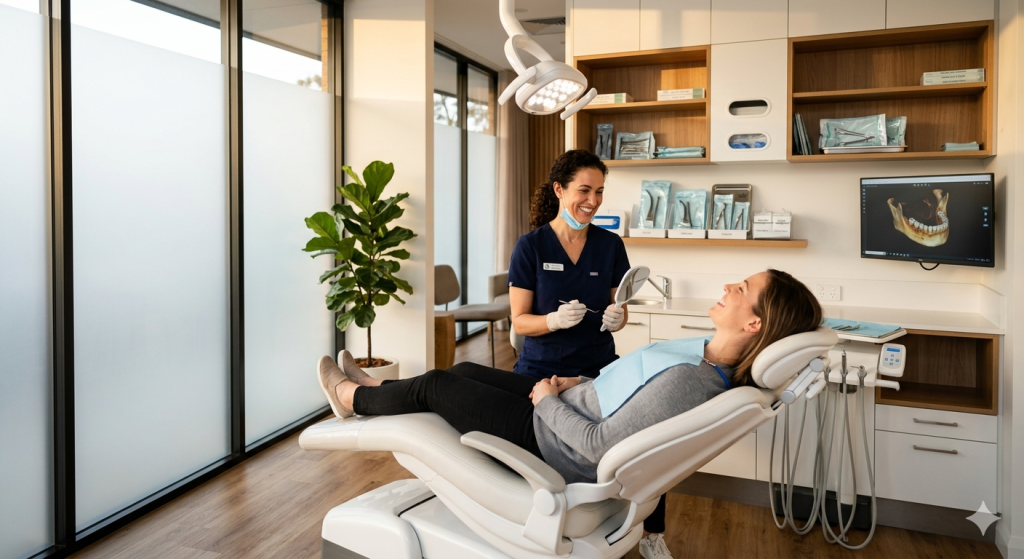
When a dental emergency strikes in Brooklyn, knowing where to turn quickly can make all the difference. Whether it’s a sudden toothache, a knocked-out tooth, or broken dental work, prompt care is essential to prevent further pain and damage. An emergency dentist in Brooklyn is ready to provide immediate, expert treatment to relieve discomfort and save your smile.
These dental professionals understand that emergencies don’t follow a schedule. They offer flexible hours and fast appointments to address urgent issues, so patients don’t have to wait or suffer unnecessarily. With modern tools and a caring approach, they make even unexpected visits as comfortable as possible.
The goal is not just to fix the problem but to help patients feel calm and informed throughout the process. For anyone facing a dental emergency in Brooklyn, finding a trusted, nearby emergency dentist can bring peace of mind during a stressful time.
When to Seek Immediate Dental Care
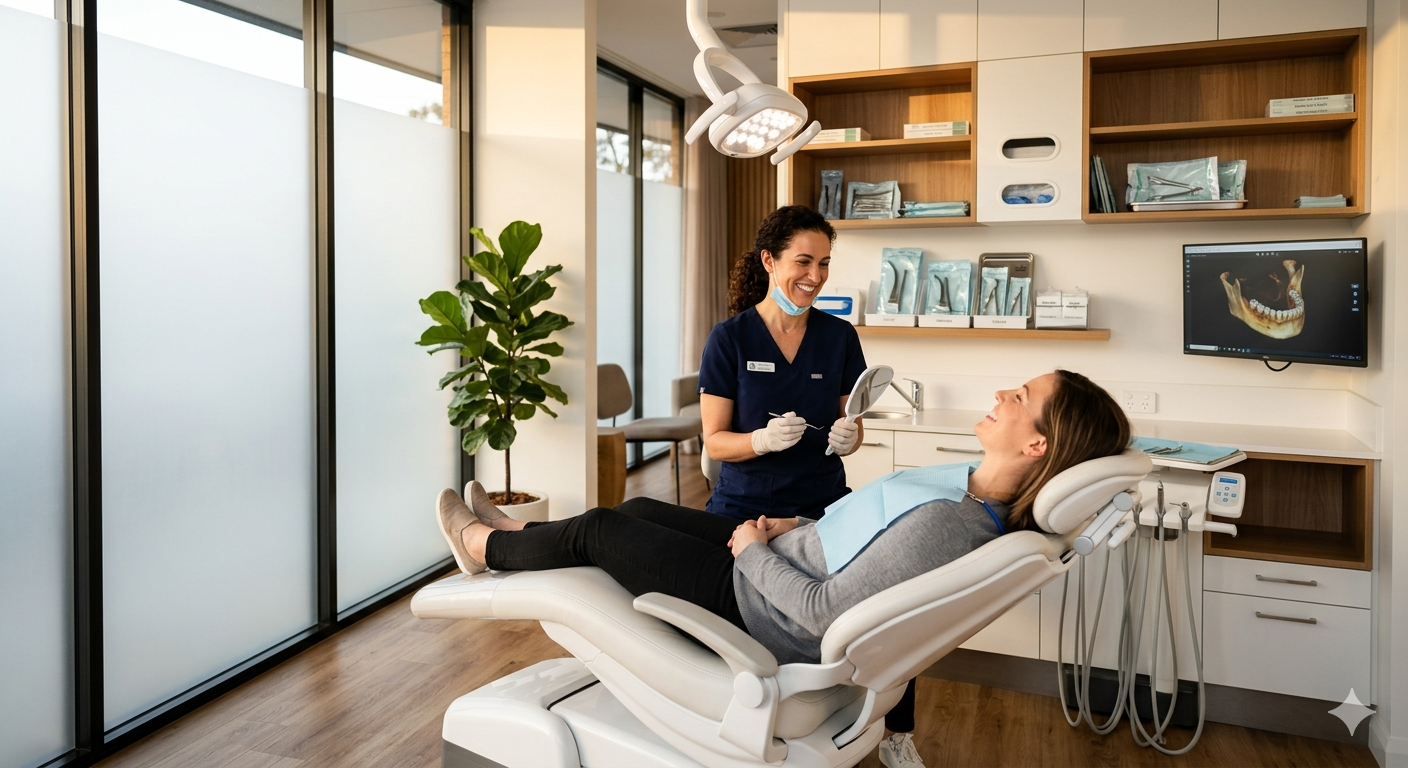
Knowing when to act quickly can protect your teeth, reduce pain, and prevent infection. Certain symptoms and situations require prompt attention to avoid further complications or lasting damage.
Recognizing Signs of a Dental Emergency
A dental emergency often involves sudden, severe pain or visible injury. Intense toothache that doesn’t improve with over-the-counter painkillers is a common sign something serious is happening.
Other red flags include uncontrolled bleeding, swelling that affects breathing or swallowing, and a knocked-out tooth. If you experience a broken tooth or a sudden crack, it’s important to get help quickly, especially if the nerve is exposed.
Watch for signs of infection such as fever, pus discharge, or swelling that worsens rapidly. These symptoms require immediate care to stop the spread and protect overall health.
Common Types of Dental Emergencies
Some emergencies happen unexpectedly, like a tooth being knocked out during sports or an accident. Others develop over time but suddenly worsen, such as an abscess or severe cavity.
Here’s a brief list of common situations needing urgent care:
- Knocked-out tooth
- Severe toothache or dental abscess
- Broken, chipped, or fractured tooth
- Lost dental filling or crown causing pain
- Injury to gums or soft tissues in the mouth
- Uncontrolled bleeding after dental procedures
Each requires different treatment approaches, but all need prompt evaluation from a dentist to prevent further harm.
How to Respond Before You Arrive
Immediate first aid can make a big difference before reaching the dentist. In case of trauma, try to locate and save any broken or knocked-out tooth fragments. Rinse them gently with milk or saline but avoid scrubbing.
Apply a cold compress to reduce swelling and control pain. For a knocked-out tooth, gently place it back in the socket if possible, or store it in milk to keep it moist during transport.
Avoid touching swollen areas or painful spots except to apply light pressure with clean gauze if there’s bleeding. Take over-the-counter pain relief as needed, but do not place aspirin directly on the gums.
Call an emergency dentist as soon as possible to get tailored advice and arrange prompt care.
Services Offered by Emergency Dentists in Brooklyn
Emergency dentists in Brooklyn provide fast, effective care designed to relieve pain, restore teeth, and prevent further damage. Their services cover a range of urgent dental needs, focusing on comfort and quick treatment.
Pain Relief Options
Pain management is often the top priority during a dental emergency. Emergency dentists use targeted methods such as local anesthesia and prescription-strength painkillers to quickly reduce discomfort.
They also evaluate underlying causes like infections or nerve damage. If an abscess or severe inflammation is present, they may start antibiotics alongside pain relief to address the root issue and protect overall health.
The goal is to make the patient comfortable while preparing for any necessary restorative work. Dentists will often recommend follow-up care to ensure pain does not return after initial treatment.
Treatment for Chipped or Broken Teeth
Chipped or broken teeth need prompt attention to prevent infection and further breakdown. Emergency dentists assess the extent of damage and may smooth rough edges to avoid cutting the tongue or gums.
If possible, they can reattach broken parts or use bonding materials to restore shape and function. For more serious fractures, crowns or veneers may be recommended during follow-up visits.
Treatment focuses on preserving as much natural tooth structure as possible. Immediate care helps maintain a patient’s smile and prevents complications like sensitivity or decay.
Care for Lost Fillings or Crowns
Losing a filling or crown can expose sensitive areas of the tooth, causing pain and increasing the risk of infection. Emergency dentists clean the affected site to remove debris and protect the exposed tooth surface.
Temporary repairs are often applied to shield the tooth until a permanent replacement can be placed. This may involve recementing a crown or filling or creating a new temporary restoration.
They will also check for underlying damage like cracks or decay that may require additional treatment. Quick intervention helps avoid worsened problems and restores function to the tooth.
How to Choose the Right Emergency Dentist
Choosing an emergency dentist involves more than just finding someone open late. Important factors include the dentist’s qualifications, how accessible their office is, and whether their hours align with when emergencies happen.
Important Qualifications to Look For
A qualified emergency dentist in Brooklyn should have a valid dental license and additional training in urgent care or trauma. Look for dentists who stay current with the latest treatments, such as root canals or tooth extractions, using modern equipment.
Experience with common dental emergencies like broken teeth, severe toothaches, or infections is crucial. Reviews or recommendations can help identify dentists known for gentle, effective care. Also, find out if the dentist offers sedation options to ease pain and anxiety during an emergency.
Office Hours and Availability
Emergencies don’t follow a 9-to-5 schedule. The right emergency dentist offers extended hours, weekends, and sometimes 24/7 availability. Confirm how quickly they can see new emergency patients—ideally within the same day.
Some clinics have an on-call dentist for after-hours emergencies. Patient access to immediate phone consultations or online scheduling is another plus. Reliable communication ensures timely care when pain or injury strikes.
Location and Accessibility
Choose a dentist whose office is easy to reach from your home or workplace in Brooklyn. Proximity reduces travel time during urgent situations, lessening discomfort and stress.
Check if the office is wheelchair accessible and has parking nearby, especially if mobility is a concern. Public transportation options can also be helpful. The physical environment should be welcoming and designed to accommodate emergency visits without long waits or confusion.
What to Expect During Your Emergency Visit
Emergency dental visits in Brooklyn, NY, focus on quickly diagnosing the issue, easing pain, and planning the next steps for healing. Patients can expect clear communication and attentive care throughout the process.
Initial Assessment Process
When a patient arrives, the dentist begins by reviewing their dental history and the nature of the emergency. They ask specific questions about symptoms like pain level, swelling, or bleeding to pinpoint the problem quickly.
A clinical exam follows, often including X-rays to see the teeth, roots, and bone condition. This helps identify fractures, infections, abscesses, or dislodged teeth. The dentist prioritizes urgent issues, making sure any immediate threats to oral health are addressed first.
The goal during this step is to stabilize the situation and create an action plan tailored to the patient’s needs.
Comfort Measures and Patient Support
During treatment, the dental team focuses on minimizing discomfort with local anesthesia or sedation if needed. They understand that emergencies can be stressful and communicate calmly throughout procedures.
Pain relief options, such as analgesics or ice packs, may also be suggested post-treatment. Patients are encouraged to express any anxiety, and staff are trained to provide reassurance and clear explanations.
This approach helps patients feel safe and supported, turning a difficult visit into a more manageable experience.
Follow-Up Care and Advice
After initial treatment, the dentist outlines what comes next to ensure full recovery. This often includes instructions on oral hygiene, pain management, and diet modifications to avoid aggravating the issue.
Patients receive guidance on spotting warning signs like increased swelling, fever, or worsening pain that require prompt attention. Scheduling follow-up appointments is typical to monitor healing and complete any necessary restorative work.
Clear aftercare advice empowers patients to protect their dental health and reduce the risk of future emergencies.
Preventing Dental Emergencies
Maintaining good oral health and taking specific precautions can significantly reduce the chances of sudden dental problems. Simple habits and protective measures help keep teeth strong and avoid accidents during active moments.
Tips for Everyday Oral Health
Brushing twice daily with fluoride toothpaste is essential. It removes plaque and strengthens enamel, lowering the risk of decay that can cause painful emergencies. Flossing every day keeps the spaces between teeth clean, preventing gum disease and infections.
Avoid chewing on hard objects like ice, pens, or popcorn kernels, as these can crack or chip teeth unexpectedly. Regular dental check-ups allow early detection of issues like cavities or weakened teeth before they become emergencies.
Hydrating well and limiting sugary snacks also supports oral health. Drinking water helps clear food residue, and reducing sugar intake minimizes acid attacks on enamel, which can lead to toothaches or infections.
Protecting Your Teeth During Sports
Wearing a custom-fitted mouthguard is the most effective way to prevent dental injuries while playing sports. It cushions blows to the face and teeth, reducing the risk of broken or knocked-out teeth.
Participants in contact sports or activities with high fall risk should never skip this protection. Over-the-counter guards are available, but a dentist-made mouthguard fits better and offers superior safety.
In addition to mouthguards, helmets and face shields provide extra protection. Removing jewelry or anything that can cause injury is also wise before physical activity. These precautions keep both teeth and gums safer during play.
Navigating Dental Emergencies With Children
When a child faces a dental emergency, quick and calm action is essential. Parents should first assess the situation by checking for pain, bleeding, or broken teeth.
Common children’s dental emergencies include:
- Knocked-out tooth
- Chipped or cracked tooth
- Severe toothache
- Loose or lost filling
If a tooth is knocked out, it’s important to find the tooth and hold it by the crown (not the root). Rinsing it gently under cold water can help, but avoid scrubbing. Placing the tooth in milk or saliva can keep it viable until reaching the dentist.
For pain or swelling, applying a cold compress can reduce discomfort. Never give a child aspirin; instead, use child-appropriate pain relievers. If bleeding continues for more than 15 minutes, dental care should be sought promptly.
Emotional support is also crucial. Children may feel scared or confused, so explaining calmly and reassuring them that help is on the way can ease anxiety.
Parents should keep an emergency dental kit handy, including gauze, a small container for teeth, and contact info for their emergency dentist in Brooklyn, NY.
Encouraging regular dental visits is another way to prevent emergencies. Early habits like wearing mouthguards during sports can make a big difference.
If you ever face a dental emergency with your child, reaching out to an experienced local emergency dentist can provide the right care fast.
Understanding Costs and Insurance for Urgent Dental Care
Emergency dental care costs can vary widely depending on the treatment needed. Simple procedures like tooth extractions or fillings may be more affordable, while root canals or surgeries tend to cost more. It helps to get a clear estimate before any work begins.
Insurance plans differ in how they cover urgent dental visits. Many plans include some level of emergency care, but patients should check if their specific policy covers after-hours or same-day appointments. Some insurers may require pre-authorization or limit coverage for certain procedures.
Here’s a quick breakdown of common costs and insurance factors:
| Procedure | Typical Cost Range | Common Insurance Coverage Notes |
|---|---|---|
| Tooth Extraction | $75 – $300 | Usually covered with co-pay or deductible |
| Root Canal | $300 – $1,000 | May require pre-authorization |
| Emergency Exam | $50 – $100 | Often covered fully or partially |
| X-rays | $25 – $150 | Typically included with emergency visit |
Many emergency dentists in Brooklyn offer flexible payment options or short-term plans. This can ease the financial burden, especially when dealing with unexpected tooth pain or injury.
Patients should keep their insurance cards handy and ask about payment policies when booking urgent care. Understanding these details helps reduce stress and makes treatment smoother. If cost is a concern, calling the dental office before the visit can clarify what to expect financially.
Getting Support After Hours in Brooklyn
When dental emergencies happen outside regular office hours, finding prompt care is crucial. Many emergency dentists in Brooklyn offer after-hours services, including evenings and weekends. This ensures patients don’t have to wait until the next day for urgent treatment.
Brooklyn clinics often provide a direct phone line or an online contact form for after-hours emergencies. Patients can call to get advice or schedule last-minute appointments. This quick communication helps relieve discomfort and prevent worsening problems.
Some offices also partner with local urgent care centers or hospital emergency rooms for more serious cases. Knowing where to go ahead of time can save valuable minutes during a dental emergency. It’s helpful to keep a list of nearby options within your neighborhood.
Tips for after-hours dental care in Brooklyn:
- Keep emergency contacts saved in your phone.
- Ask your regular dentist about their after-hours policies.
- Use ice packs or over-the-counter pain relievers as temporary relief.
- Avoid hard or sticky foods that could worsen damage.
By having a plan and knowing your local resources, it’s easier to handle unexpected dental issues calmly. If symptoms persist, reaching out promptly to a Brooklyn emergency dentist can make all the difference.
Next Steps for Your Oral Health Journey
After an emergency dental visit, it’s important to follow the care plan your dentist provides. This might include taking prescribed medications, practicing good oral hygiene, or scheduling follow-up appointments. Staying consistent with these steps helps prevent further complications.
Patients should also focus on prevention to avoid future emergencies. Simple habits like regular brushing, flossing, and using mouthwash can make a big difference. Eating a balanced diet and limiting sugary snacks supports strong teeth and gums.
Scheduling routine check-ups is key to maintaining oral health. Many dentists in Brooklyn offer flexible hours to fit busy lifestyles. Routine visits catch problems early, keeping your smile healthy and pain-free.
Below is a quick checklist for patients after an emergency dental visit:
| Action Step | Why It Matters |
|---|---|
| Follow dentist’s instructions | Promotes healing and comfort |
| Maintain daily hygiene | Reduces risk of infection |
| Eat tooth-friendly foods | Supports recovery and strength |
| Schedule regular check-ups | Prevents future emergencies |
Encourage patients to ask questions if they feel uncertain. A caring dental team is always ready to guide them through every step of their oral health journey. Reaching out early can help them regain confidence in their smile.
Frequently Asked Questions
Knowing how to act quickly and what to expect during a dental emergency can ease stress and save your smile. Here are practical answers to common concerns about urgent dental care in Brooklyn.
What should I do right away if I have a severe toothache or swelling after hours?
Rinse your mouth gently with warm water to clean the area. Use a cold compress on the outside of the cheek to reduce swelling.
Avoid aspirin or placing painkillers directly on the gums, as this can cause burns. Contact an emergency dentist as soon as possible for treatment.
Can I walk in for urgent dental care the same day, and how long might the wait be?
Many emergency dentists in Brooklyn accept same-day walk-ins. Wait times depend on the day and how many patients are ahead of you but generally range from 15 to 45 minutes.
Calling ahead can sometimes speed up the check-in process. It’s best to arrive early if you have severe discomfort.
Will the emergency room or urgent care actually help with tooth pain, and when should I go?
Emergency rooms can provide pain relief and antibiotics for dental infections but usually will not perform dental procedures.
Go to the ER if the pain is accompanied by high fever, difficulty breathing, or swelling that spreads to the face or neck. Otherwise, an emergency dentist is the better choice for dental-specific care.
Can an emergency visit include a tooth extraction if that’s the safest option?
Yes, emergency dentists can perform extractions when necessary to relieve pain or stop infection.
They aim to preserve teeth whenever possible, but extraction is an option if it’s the safest or quickest way to bring relief.
What are my options if I need urgent dental care but don’t have dental insurance?
Many emergency dental offices offer payment plans or sliding scale fees based on income. Some clinics accept cash or credit card payments without insurance.
It’s also worth checking for local dental schools or community clinics that provide emergency care at reduced rates.
Do you accept Medicaid or Healthfirst for urgent dental visits, and what should I bring?
Some Brooklyn emergency dentists do accept Medicaid or Healthfirst. It’s important to call ahead and confirm which plans they accept.
Bring your insurance card, photo ID, and any recent dental records if available. This helps speed up your visit and ensures accurate billing.