
Sleep Apnea Treatment Brooklyn NY: Comfortable, Modern Solutions from Your Local Dental Experts
If you suspect sleep apnea or your partner notices loud snoring and pauses in breathing, act now—untreated sleep apnea raises daytime fatigue, heart risk, and mood problems but modern treatments in Brooklyn can help you sleep safely and wake refreshed. A local dental or sleep specialist can diagnose your condition with sleep testing and offer tailored options like CPAP, oral appliances, or surgery to restore healthy breathing at night.
They will explain how diagnosis works, compare treatment choices, and guide you to the best provider in Brooklyn so you get comfortable, evidence-based care. Expect clear steps for testing, follow-up, and lifestyle supports that make adherence easier and improve daytime energy.
Understanding Sleep Apnea
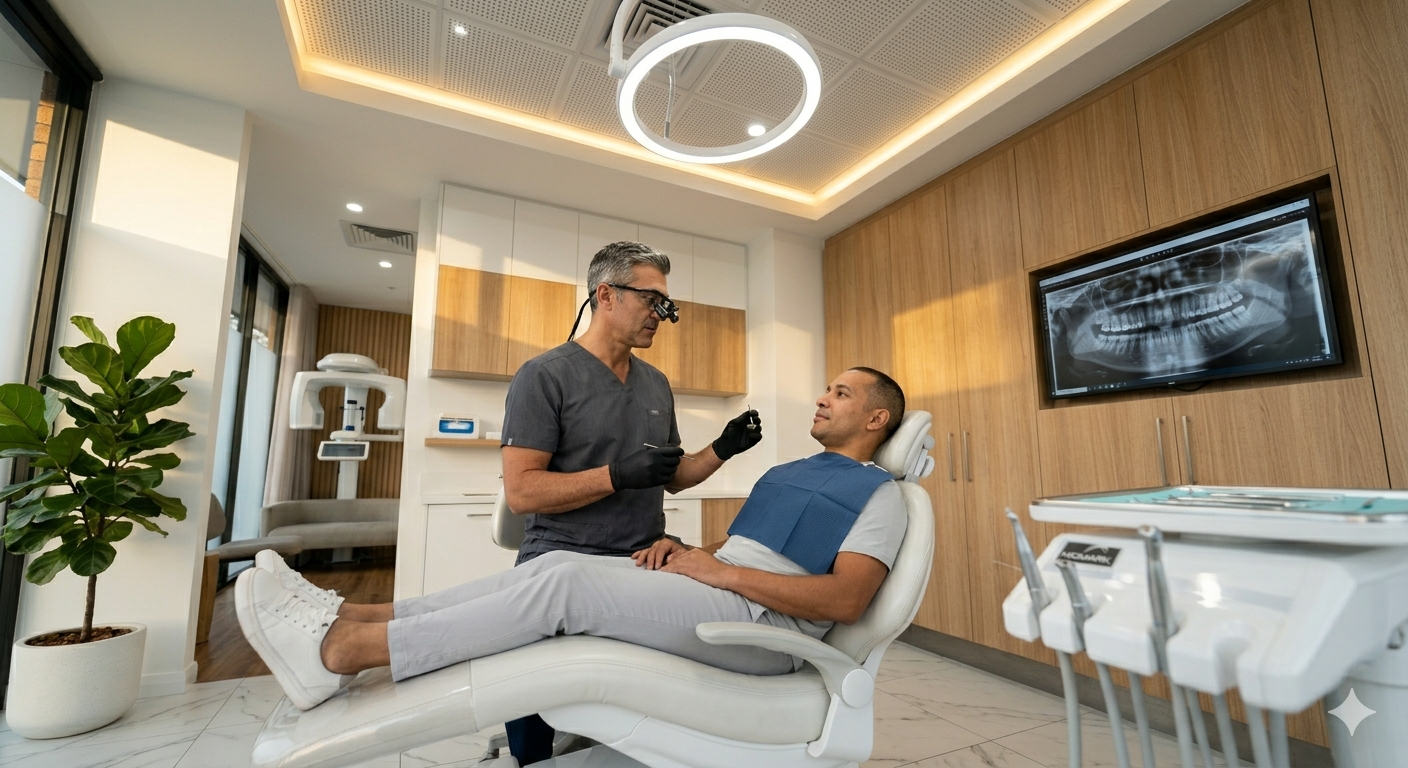
Sleep apnea affects breathing during sleep, often causing repeated pauses and fragmented rest. It stems from physical airway issues, neurological control problems, or both, and can raise risks for daytime sleepiness and cardiovascular strain.
What Is Sleep Apnea?
Sleep apnea is a disorder in which breathing repeatedly stops and restarts during sleep. These pauses (apneas) typically last 10 seconds or longer and can occur dozens or hundreds of times per night, reducing oxygen levels and disrupting sleep architecture.
Clinically significant sleep apnea is diagnosed using overnight testing that measures airflow, blood oxygen, heart rate, and breathing effort. Clinicians quantify severity with the apnea–hypopnea index (AHI): mild (5–15 events/hour), moderate (15–30), and severe (over 30). Diagnosis guides treatment choices such as oral appliance therapy, CPAP, positional therapy, or surgery.
Types of Sleep Apnea
Obstructive sleep apnea (OSA) arises when throat muscles relax and partially or fully block the airway. It is the most common type and often links to excess weight, enlarged tonsils, a narrow airway, or anatomical factors like a recessed jaw.
Central sleep apnea (CSA) occurs when the brain fails to send consistent breathing signals to respiratory muscles. CSA is less common and often associates with heart failure, stroke, certain medications, or high-altitude sleep. Mixed (or complex) sleep apnea combines features of both OSA and CSA and sometimes appears after starting positive airway pressure therapy.
Treatment differs by type: OSA responds well to CPAP, mandibular advancement devices, weight loss, and surgery when appropriate. CSA management targets underlying causes and may use adaptive servoventilation or supplemental oxygen in select cases. Accurate classification ensures the right therapy.
Common Signs and Symptoms
Loud, habitual snoring—often interrupted by gasps or choking—is a hallmark sign, especially for obstructive events. Partners frequently report these noises; patients may not be aware of the interruptions themselves.
Daytime symptoms include excessive sleepiness, morning headaches, poor concentration, and mood changes such as irritability or depression. Patients often notice dry mouth on waking or sore throat when OSA causes mouth breathing.
Other clinical clues include witnessed apneas, nocturia (frequent nighttime urination), and blood pressure that’s difficult to control. Physicians consider risk factors—obesity, large neck circumference, smoking, alcohol use, nasal obstruction, and family history—when evaluating symptoms and recommending sleep testing.
Why Prompt Treatment Matters
Timely care reduces health risks, improves daytime function, and prevents worsening damage to the heart and brain. Early diagnosis and treatment make CPAP, oral appliances, or surgical options more effective and less disruptive to daily life.
Risks of Untreated Sleep Apnea
Untreated obstructive sleep apnea (OSA) repeatedly lowers oxygen levels during sleep, which stresses the cardiovascular system. This intermittent hypoxia increases the risk of high blood pressure, coronary artery disease, heart attack, and stroke.
People with moderate-to-severe OSA face higher rates of atrial fibrillation and heart failure. Each apnea event raises sympathetic nervous activity, promoting inflammation and vascular damage over time.
Dental professionals note that untreated OSA can worsen bruxism and temporomandibular joint pain, complicating oral health. Addressing OSA early limits these cascading effects and reduces the need for multiple specialists.
Effects on Daily Life
Sleep fragmentation causes persistent daytime sleepiness, reducing attention, memory, and reaction time. Patients often report difficulty concentrating at work, slower problem-solving, and increased risk of motor vehicle accidents.
Mood disturbances such as irritability, anxiety, and depression become more common with prolonged untreated OSA. These changes strain relationships and lower overall quality of life.
Effective treatment often restores energy, sharpness, and emotional balance within weeks. Simple changes—consistent CPAP use or a custom oral appliance—can markedly improve daytime function and safety.
Potential Complications
Long-term OSA can lead to metabolic dysfunction, including insulin resistance and weight gain, which further aggravate breathing problems. This creates a self-reinforcing cycle that makes treatment harder the longer it is delayed.
Pregnant patients with untreated OSA face higher risks of gestational hypertension and preeclampsia, while children may experience behavioral and learning problems. Vulnerable populations often require coordinated care among physicians, obstetricians, and pediatricians.
Dental and surgical interventions become more complex if airway anatomy worsens. Early collaboration between sleep physicians and dental specialists can simplify treatment choices and improve outcomes.
Diagnosis Process in Brooklyn
Patients can expect a clear pathway from symptom review to testing and specialist referral. The focus stays on accurate diagnosis using evidence-based tools and local resources in Brooklyn.
Initial Evaluation
A primary care physician or dentist in Brooklyn begins with a focused history and physical exam. They ask about daytime sleepiness, snoring patterns, witnessed apneas, morning headaches, and neck circumference. Medication review, alcohol use, and comorbidities such as hypertension, diabetes, or obesity are documented because these affect both risk and treatment choices.
The clinician performs an airway exam: Mallampati score, tonsil size, and jaw alignment checks, plus vital signs and BMI measurement. They may use validated questionnaires like the STOP-Bang or Epworth Sleepiness Scale to quantify risk. If results suggest moderate-to-high risk, the clinician discusses next steps: home sleep testing or referral for an in-lab polysomnography.
Sleep Study Options
Brooklyn patients typically choose between home sleep apnea testing (HSAT) and in-lab polysomnography (PSG). HSAT is suitable for adults with suspected obstructive sleep apnea (OSA) and no major comorbidities; it measures airflow, respiratory effort, and oxygen saturation over one night at home. HSAT offers convenience, lower cost, and quicker scheduling through many local clinics.
In-lab PSG remains the gold standard when the diagnosis is uncertain or when central sleep apnea, significant lung disease, heart failure, or neurologic disorders are suspected. PSG records brain waves, eye movements, muscle activity, heart rhythm, and more, enabling a comprehensive assessment. Brooklyn sleep centers coordinate insurance preauthorization and explain what to expect during an overnight stay.
Role of Local Sleep Specialists
Sleep medicine specialists in Brooklyn—pulmonologists, neurologists, and board-certified sleep physicians—interpret study results and tailor treatment. They determine apnea-hypopnea index (AHI) severity and recommend CPAP, oral appliance therapy, positional therapy, weight management, or referral to ENT for surgical options. Dental sleep specialists collaborate when oral appliances are an option; they design and fit custom mandibular advancement devices and follow up on jaw or dental concerns.
Care teams in Brooklyn coordinate follow-up: mask fitting for CPAP, adherence monitoring via remote data, and behavioral interventions for sustained use. They also connect patients with support services, weight-loss programs, and smoking-cessation resources to improve outcomes.
Modern Treatment Approaches
Modern care for sleep apnea in Brooklyn focuses on personalized choices that improve breathing, daytime alertness, and long-term health. Treatments range from simple lifestyle shifts to custom dental devices and advanced surgical options, all selected based on severity, anatomy, and patient preference.
Customized Oral Appliances
Customized oral appliances, often called mandibular advancement devices (MADs), shift the lower jaw forward to keep the airway open during sleep. A dentist with training in sleep medicine takes impressions, uses a bite registration, and fabricates a device tailored to the patient’s bite and specific airway needs.
These appliances suit mild to moderate obstructive sleep apnea (OSA) and snoring. They’re noninvasive, portable, and generally more tolerable for people who reject CPAP. Success depends on fit and adjustment; follow-up visits every 4–12 weeks initially allow fine-tuning.
Common side effects include jaw soreness, tooth movement, and excessive salivation. A dentist monitors dental occlusion and TMJ symptoms and may coordinate with a sleep physician for sleep study reassessment to confirm effectiveness.
CPAP Therapy Explained
Continuous Positive Airway Pressure (CPAP) remains the most effective treatment for moderate to severe OSA. A CPAP machine delivers a steady stream of pressurized air through a mask, preventing airway collapse throughout the night.
Modern CPAP units offer auto-adjusting pressure (APAP), humidification, quiet operation, and mask options sized for nasal, nasal-pillows, or full-face use. Proper mask fit and pressure settings are essential to comfort and adherence; a sleep technologist or clinician typically manages initial titration.
Common barriers include discomfort, mask leaks, and claustrophobia. Progressive acclimation strategies—ramp features, gradual wearing while awake, mask trials, and heated humidification—improve tolerance. Regular follow-up assesses nightly usage data and treatment efficacy, and alternatives are considered if adherence fails.
Lifestyle Adjustments for Relief
Lifestyle changes complement medical devices and can reduce OSA severity for many patients. Weight loss of even 5–10% often reduces apnea-hypopnea events; a registered dietitian or weight management program can provide structured plans.
Positional therapy helps patients whose apnea worsens when supine; specialized pillows or wearable position trainers encourage side sleeping. Avoiding alcohol and sedatives within 4–6 hours of bedtime reduces airway relaxation. Good sleep hygiene—consistent schedule, limiting screens before bed, and optimizing bedroom environment—supports overall sleep quality.
Smoking cessation improves upper airway inflammation and reduces OSA risk. Coordinating these measures with dental or medical treatments increases the chance of symptom relief and long-term health benefits.
Surgical Alternatives
Surgery becomes an option when anatomy causes persistent airway obstruction or when conservative treatments fail. Procedures range from minimally invasive soft-tissue surgeries to skeletal advancements and implantable neurostimulation.
Common surgeries include uvulopalatopharyngoplasty (UPPP) to remove redundant throat tissue, radiofrequency ablation to reduce soft-palate volume, and maxillomandibular advancement (MMA) to enlarge the airway by repositioning the jaws. Hypoglossal nerve stimulation (HGNS) uses an implant to activate tongue muscles during sleep and suits select patients who cannot tolerate CPAP.
Surgical candidacy requires thorough evaluation: awake and drug-induced sleep endoscopy, imaging, and multidisciplinary consultation. Risks vary by procedure and include bleeding, infection, altered voice or swallowing, and dental or facial changes. Surgeons discuss realistic outcomes, recovery timelines, and whether adjunctive therapies will remain necessary.
Choosing the Best Care Provider
Finding the right provider means checking training, experience, and patient-centered services. Practical details — credentials, clear communication, and accessible follow-up care — determine treatment success and day-to-day comfort.
Qualifications to Look For
Look for a board-certified sleep medicine physician or a dentist with formal training in dental sleep medicine. Board certification (ABSM or equivalent) and fellowship or continuing education in sleep disorders indicate up-to-date knowledge of CPAP, oral appliance therapy, and alternative treatments.
Confirm the provider has specific experience treating obstructive sleep apnea in adults. Ask how many sleep studies they review annually and how many oral appliances they fit each year. Those metrics reflect practical expertise, not just theory.
Check clinic accreditation and staff credentials. Facilities accredited for sleep testing and clinics that employ registered sleep technologists or certified dental sleep medicine specialists offer higher-quality testing, fitting, and follow-up.
Questions to Ask at Your First Visit
Ask whether they perform in-office sleep testing or coordinate home sleep apnea testing (HSAT), and which option they recommend for your situation. Request explanations of test accuracy, costs, and insurance coverage.
Inquire about treatment pathways: CPAP, custom oral appliances, positional therapy, weight-management referrals, and surgical options. Ask how they decide between treatments and how they measure treatment success (AHI reduction, symptom improvement, CPAP adherence).
Clarify follow-up schedule and troubleshooting processes. Ask how adjustments are handled, who to contact for device problems, and whether they track objective adherence data. Request estimates for total out-of-pocket costs and insurance billing support.
Benefits of a Patient-Focused Practice
A patient-focused clinic begins with clear communication and individualized treatment plans. Providers who review lifestyle factors, comorbidities, and sleep partner input tailor therapies and set realistic expectations.
Such practices prioritize comfort and adherence: they offer trial periods for oral appliances, gradual CPAP desensitization, and humidification options. They document objective outcomes and share results with primary care providers for coordinated care.
Patient-focused teams also streamline logistics: scheduling, insurance preauthorization, remote monitoring, and rapid device adjustments. That operational support reduces missed appointments and improves long-term treatment success.
Living Well With Sleep Apnea
Patients can manage sleep apnea effectively by combining consistent treatment use, lifestyle adjustments, and family involvement. Practical steps include optimizing sleep environment, following CPAP or oral appliance routines, and communicating needs with loved ones.
Tips for Better Sleep
Encourage a fixed sleep schedule: go to bed and wake up at the same times every day to stabilize sleep stages. Keep the bedroom cool (60–67°F), dark, and quiet; blackout shades and a white-noise machine can help reduce awakenings.
Position matters. Sleeping on the side often reduces airway collapse; use a wedge pillow or a positional device if back-sleeping worsens apnea. Maintain nasal patency by treating congestion—saline rinses or prescribed nasal steroid sprays can improve CPAP comfort and adherence.
Adopt small, specific lifestyle changes: lose even 5–10% of body weight if overweight, avoid alcohol and sedatives within four hours of bedtime, and stop smoking to reduce airway inflammation. Practice a short pre-bed wind-down: 20–30 minutes of low-screen activity and breathing exercises to lower arousal and aid CPAP tolerance.
Family Support and Involvement
Family members can help monitor symptoms and treatment adherence by keeping a log of snoring, witnessed apneas, daytime sleepiness, and CPAP use hours. Share that many CPAP machines record objective usage and AHI; bring that data to follow-up visits for targeted adjustments.
Help with equipment care and comfort adjustments. A partner can remind the patient to wear the mask, assist with mask fitting, and clean tubing and humidifiers regularly to reduce infection risk and improve seal. Encourage practical problem-solving, like trying different masks or adding heated humidification to address nasal dryness.
Emotional support matters. Partners should express concern without blame, celebrate small wins (longer continuous CPAP use), and attend appointments when possible to learn about appliance options such as custom oral devices or alternative therapies.
Resources for Brooklyn Residents
Brooklyn residents can find local support groups, sleep specialists, and financial resources to make diagnosis and treatment of sleep apnea more accessible. The following details list specific organizations, clinics, and insurance options that commonly serve Brooklyn neighborhoods.
Local Support Groups
Brooklyn patients often benefit from peer-led groups and hospital-affiliated workshops that focus on sleep apnea management and CPAP adherence. NYU Langone and Maimonides Health run periodic patient education sessions and sleep clinics where attendees can meet respiratory therapists and sleep physicians.
Community centers like the Brooklyn Public Library branches and senior centers in Williamsburg and Bay Ridge occasionally host health talks; check their online calendars for sleep-related events. Local chapters of the American Sleep Apnea Association and online meetups on Meetup.com also provide forums for sharing tips about CPAP masks, oral appliance experiences, and coping strategies for bed partners.
Patients should bring specific questions about mask fit, humidification, and follow-up testing to these meetings. They should also ask about bilingual resources—many Brooklyn programs offer Spanish-language materials and interpreters.
Insurance and Financial Assistance
Most Brooklyn sleep centers accept Medicaid, Medicare, and major commercial plans such as EmblemHealth, UnitedHealthcare, Aetna, and Cigna. Medicare Part B covers CPAP devices and supplies after a documented sleep study and a trial period; patients should verify supplier enrollment and documentation requirements before purchase.
Financial assistance programs at hospitals like NYU Langone and Maimonides can help with sliding-scale fees or charity care for uninsured or underinsured patients. Durable medical equipment (DME) suppliers often offer rental-to-own plans and manufacturer discounts; ask about PAP machine rebate programs and mask-fit clinics that bill insurance directly.
Patients should call their insurer to confirm prior authorization rules, coverage limits for replacement supplies, and any required documentation from a sleep physician. Keeping copies of sleep study reports, physician orders, and DME invoices speeds claims and appeals.
Next Steps to a Restful Night
After an initial evaluation, the dentist or sleep specialist will outline treatment options tailored to the patient’s needs. They explain CPAP therapy, oral appliance choices, and lifestyle adjustments in plain language so patients understand benefits and trade-offs.
Patients often try a trial of CPAP or a custom oral appliance first. Clinics in Brooklyn typically offer fittings, follow-up visits, and adjustments; these visits ensure comfort and effective therapy.
Keep a simple checklist to prepare for appointments:
- Bring sleep study records and a list of symptoms.
- Note daily habits like caffeine, alcohol, and sleep schedule.
- Write questions about side effects, insurance, and device maintenance.
Expect gradual improvements; most people notice better daytime energy within weeks of consistent use. The provider monitors progress and makes changes if needed, focusing on comfort and adherence.
They also recommend basic sleep hygiene to support treatment: consistent bedtime, limiting screens before sleep, and avoiding heavy meals late at night. Small habit changes can amplify medical treatment results.
If dental anatomy contributes to airway collapse, the dentist may recommend oral surgery or referral to an ENT specialist. They explain risks and recovery clearly, so patients can make informed decisions.
Patients who want help can call or book an appointment to discuss options and next steps. The dental team welcomes questions and supports each person toward safer, more restful sleep.
Frequently Asked Questions
This section answers practical concerns about evaluating snoring, the sleep testing process, specialist referrals, CPAP alternatives, oral appliance therapy by dentists, and what to ask when choosing a local sleep center. It focuses on concrete steps, expected tests, and questions to bring to appointments.
How do I know if my snoring is a sign of sleep apnea or just a nuisance?
Loud, gasping, or choking breaths during sleep suggest possible obstructive sleep apnea (OSA).
Daytime sleepiness, morning headaches, high blood pressure, or witnessed pauses in breathing raise concern and warrant evaluation.
A simple screening tool like the STOP-Bang questionnaire helps estimate risk.
If the score is moderate or high, a formal sleep study is the next step.
What should I expect during an overnight or at-home sleep study?
An in-lab polysomnography records brain waves, oxygen levels, heart rate, airflow, and breathing effort overnight.
A technician places sensors and monitors you; results arrive within days to a couple of weeks depending on the center.
Home sleep apnea testing (HSAT) measures breathing, oxygen, and airflow with fewer sensors.
It’s suitable for suspected moderate-to-severe OSA in adults without complex health issues and typically takes one night with results returned after data review.
Which type of doctor should I see first if I suspect sleep apnea?
Primary care physicians often begin evaluation, review risk factors, and refer for testing.
Pulmonologists, sleep medicine specialists, and otolaryngologists (ENTs) commonly manage diagnosis and treatment.
A dentist trained in dental sleep medicine can evaluate for oral appliance candidacy but usually collaborates with a sleep physician.
If cardiovascular disease, obesity, or complex medical conditions exist, prioritize a sleep medicine specialist or pulmonologist for comprehensive care.
What treatment options are available if I can’t tolerate a CPAP machine?
Oral appliance therapy, positional therapy, weight management, and surgical options exist as CPAP alternatives.
Oral appliances reposition the lower jaw to keep the airway open and work well for mild-to-moderate OSA.
Positional devices prevent back sleeping if apnea is primarily positional.
Surgical options—uvulopalatopharyngoplasty, hypoglossal nerve stimulation, or nasal/skeletal procedures—depend on anatomy and are chosen after specialist evaluation.
Can a dentist help with sleep apnea using an oral appliance, and how does it work?
Yes. Dentists experienced in dental sleep medicine fit custom mandibular advancement devices that move the lower jaw forward to enlarge the airway.
These appliances reduce airway collapse during sleep and are often adjustable to balance effectiveness and comfort.
Follow-up includes titration, periodic sleep testing or symptom checks, and dental exams to monitor bite changes and jaw comfort.
Dentists coordinate with sleep physicians to confirm treatment effectiveness and manage any side effects.
How do I choose a local sleep center, and what questions should I ask at my first visit?
Confirm accreditation (e.g., AASM) and whether the center offers both in-lab and home testing.
Ask about wait times for testing, turnaround for results, and whether a board-certified sleep specialist reviews studies.
Inquire if they collaborate with dental sleep specialists and offer oral appliance fitting and follow-up.
Ask about insurance coverage, device trials (for CPAP), and outcome tracking so the center can demonstrate real-world effectiveness.